
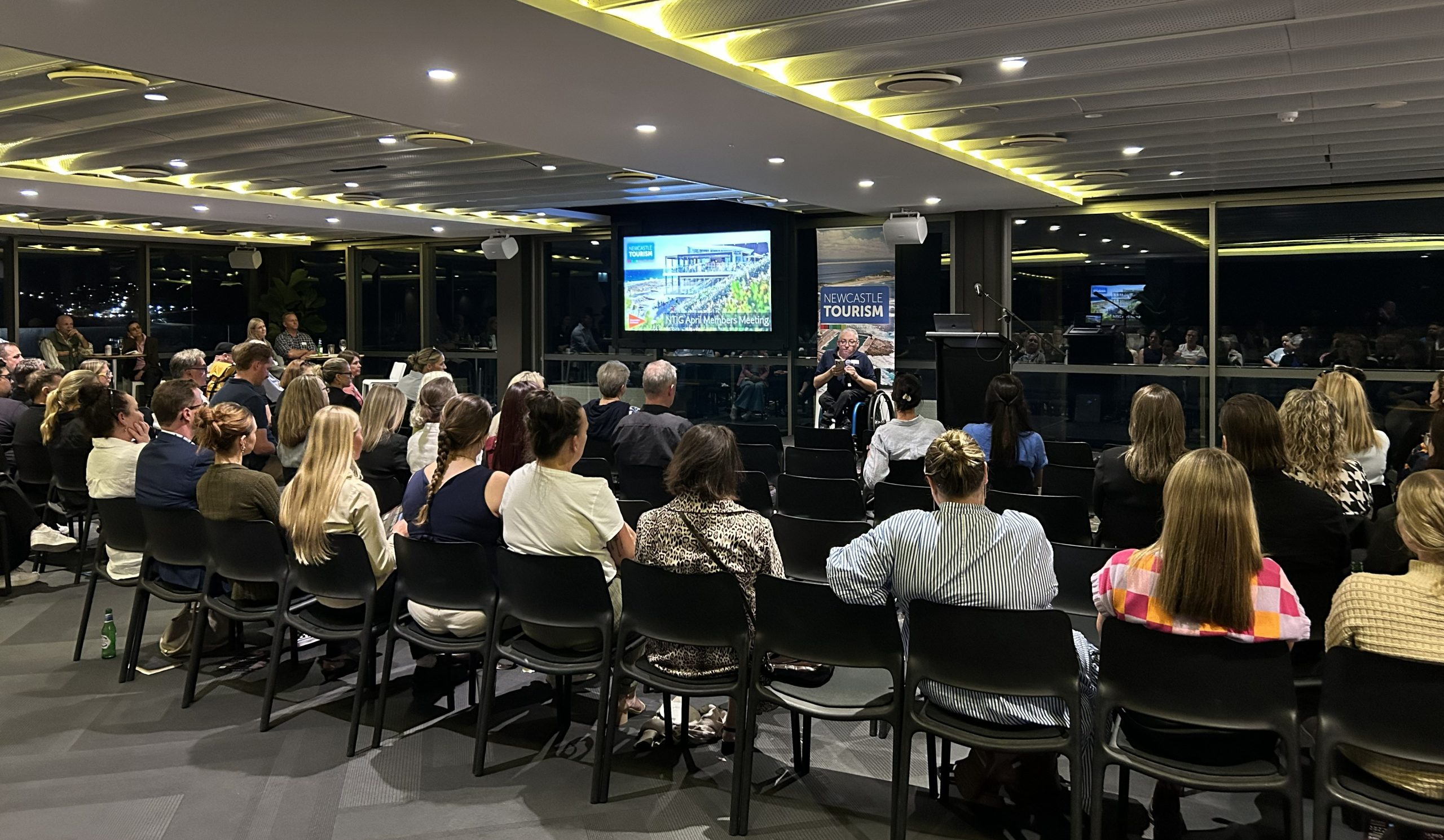
The recent Newcastle Tourism Industry Group event at Merewether Surfhouse was a definitive wake-up call. Hearing experts like Professor Tracey Dickson, Dave Belcher, Jacob Hughes and Max Burt OAM lay out the case for accessible tourism revealed an opportunity that is both socially vital and economically staggering, a largely untapped gold mine for our cities, regions, and operators.
In my view, the Hunter region possesses every ingredient to become Australia’s accessible tourism capital, but claiming that title requires us to move beyond polite talk and into urgent, coordinated action. By leading the way in accessibility, the Hunter could capitalise on a market that is already growing faster than the mainstream
As the father of a son with an intellectual disability and working with Accessibility in the City, this isn’t abstract for me. It is the frustration of hitting a wall of vague information every time we plan a holiday.
The “Niche” Myth
Many businesses treat accessible tourism as an afterthought, but the 2024 Tourism Research Australia report proves it is mainstream:
- Massive Spend: Travellers with accessible needs spent $29.2 billion in 2024, representing 17% of all Australian tourism expenditure.
- Regional Focus: 58% of these visitor nights are spent in regional Australia.
- The Multiplier Effect: These travellers rarely go solo. They travel in groups, averaging 2.8 people for overnight trips. When you accommodate one person with a disability, you win the whole party; when you lose them, you lose everyone.
The Real Barrier: Information
While Australia has the highest “NET Accessible” rating of 15 surveyed countries, regional reality often lags behind national perception. Interestingly, the biggest obstacle isn’t always the physical environment; it’s the lack of information.
Research shows that nearly two-thirds of people with disabilities find accessibility information about accommodation, events, and places to eat, drink or visit to be a major barrier, and half find the information they do receive to be inaccurate. When a family finds nothing but a generic compliance statement on a website, they book elsewhere.
A Call to Action
The Hunter has the assets, the beaches, wine country, and urban culture, to lead the nation. To get there, we need action:
- Audit Your Website: Provide honest, specific details like door widths, step heights, and sensory considerations.
- Collaborate: Follow the lead of other regions by creating online mobility maps and cross-council accessibility plans.
- Engage Experts: Work with groups like the Community Disability Alliance Hunter to train staff and certify products.
With 5.5 million Australians living with a disability and an ageing population, this market is growing faster than the mainstream. My son deserves to find spaces designed for him, and our businesses deserve the revenue that comes from a genuine welcome. Let’s start doing.
Comments are closed